AI voice and audio tools have completely transformed how we create content in 2026. Whether you’re a YouTuber, blogger, student, or freelancer, these tools can help you generate realistic voiceovers, edit audio professionally, and even clone voices without expensive equipment.
In this guide, we’ll explore the best AI tools for voice and audio, their features, pros & cons, and how you can use them to grow your content or earn money online
Why Use AI Voice Tools?
Before jumping into tools, let’s understand why they are trending:
- No need for expensive microphones
- Save time in recording & editing
- Multiple languages & accents
- Great for YouTube automation & freelancing
- Studio-quality output at low cost
1. ElevenLabs (Best Overall)
Overview:
One of the most powerful AI voice generators available today. It creates extremely realistic human-like voices.
Key Features:
• Ultra-realistic voice generation
• Voice cloning (create your own AI voice)
• Supports multiple languages
• Emotion control in voice
Pros: ✔️ Very natural sound
✔️ Free plan available
✔️ Best for storytelling & YouTube
Cons: ❌ Limited free usage
Best For:
YouTube automation, audiobooks, storytelling channels
2. Murf AI (Best for Professional Use)
Overview:
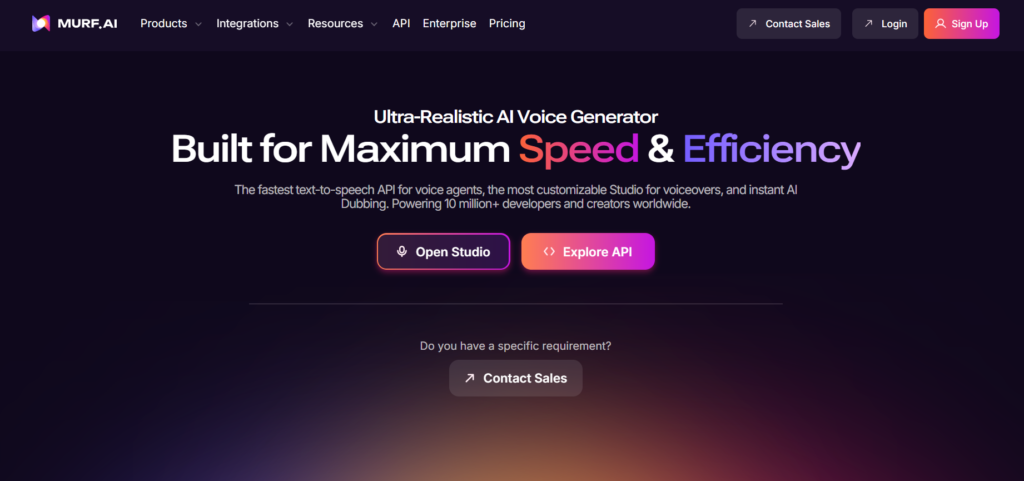
A premium AI voice tool used for business and professional voiceovers.
Key Features:
• Studio-quality voices
• Voice + video sync
• Background music integration
• Easy editing dashboard
Pros: ✔️ Professional output
✔️ Great for presentations
✔️ Multiple voice styles
Cons: ❌ Paid tool
Best For:
Ads, corporate videos, presentations
3. PlayHT (Best for Bloggers & Podcasts)
Overview:
Perfect tool to convert blog posts into audio or podcasts.
Key Features:
• Blog-to-audio conversion
• Natural voices
• Audio download option
• WordPress integration
Pros: ✔️ Easy to use
✔️ Great for passive content
✔️ Good voice quality
Cons: ❌ Limited features in free plan
Best For:
Bloggers, podcasters
4. Descript (Best for Editing)
Overview:
A powerful tool that lets you edit audio just like editing text.
Key Features:
• Edit audio by editing text
• Remove filler words (um, uh)
• Screen recording
• Podcast editing tools
Pros: ✔️ Very beginner-friendly
✔️ Saves editing time
✔️ Multi-purpose tool
Cons: ❌ Learning curve for advanced features
Best For:
Podcast creators, YouTubers
5. Resemble AI (Best for Voice Cloning)
Overview:
Advanced AI tool for creating custom voices.
Key Features:
• Real-time voice cloning
• API integration
• Emotion-based voice control
Pros: ✔️ Highly customizable
✔️ Real-time generation
Cons: ❌ Not beginner-friendly
Best For:
Developers, brands
6. Speechify (Best for Students)
Overview:
A simple and powerful text-to-speech tool for learning and productivity.
Key Features:
• Convert text into audio
• Fast playback speed
• Mobile-friendly
Pros: ✔️ Easy to use
✔️ Great for studying
✔️ Free version available
Cons: ❌ Limited customization
Best For:
Students, readers
Comparison Table
| Tool | Best For | Free Plan | Ease of Use |
| ElevenLabs | YouTube | ✅ | Easy |
| Murf AI | Professional | ❌ | Easy |
| PlayHT | Blogs/Podcasts | ✅ | Easy |
| Descript | Editing | ✅ | Medium |
| Resemble AI | Cloning | ❌ | Advanced |
| Speechify | Students | ✅ | Very Easy |
💡 How to Choose the Right Tool?
- Choose based on your goal:
- YouTube videos → ElevenLabs
- Podcast/audio content → PlayHT / Descript
- Professional work → Murf AI
- Study & reading → Speechify
- Custom voice creation → Resemble AI
How to Earn Money Using AI Voice Tools?
- You can earn using these tools in many ways:
- YouTube automation channel
- Freelancing (voiceover services)
- Audiobook creation
- Podcasting
- Selling AI-generated content
- 👉 Many creators earn ₹20k–₹1 lakh/month using AI voice tools
Pro Tips for Success
- Use natural-sounding voices
- Add background music for better quality
- Keep audio clear and noise-free
- Use subtitles in videos
- Be consistent in content creation
Conclusion
AI voice and audio tools have rapidly become one of the most impactful technologies in content creation today. Platforms like ElevenLabs, Murf AI, PlayHT, and Descript are not just tools—they are complete solutions that allow anyone to create professional-quality audio without expensive equipment or advanced skills.
The biggest advantage of these tools is accessibility. Earlier, creating voiceovers required a good microphone, soundproof environment, and editing expertise. Now, with AI, you can generate realistic voices, edit audio like text, and produce studio-level output in minutes. This has opened doors for students, beginners, and creators who want to start without heavy investment.
Another major benefit is time and cost efficiency. Tasks that used to take hours—like recording, editing, and retakes—can now be completed in a fraction of the time. This allows creators to focus more on content quality, creativity, and consistency, which are key factors for success on platforms like YouTube, podcasts, and social media.
From an earning perspective, AI voice tools offer multiple income opportunities. You can start a YouTube automation channel, provide freelance voiceover services, create audiobooks, or even launch your own podcast. Many creators are already using tools like ElevenLabs and Murf AI to generate consistent income online.
However, it’s important to use these tools responsibly and strategically. Always choose a voice that sounds natural, avoid overusing robotic tones, and maintain originality in your content. Also, respect ethical guidelines—especially when using features like voice cloning.
FAQ (Frequently Asked Question)
FAQ (Frequently Asked Questions)
Can I earn money using AI voice tools?
👉 Yes! You can earn through freelancing, YouTube channels, podcasts, and audiobook creation using tools like Murf AI.
What is the best AI voice tool in 2026?
👉 ElevenLabs is considered one of the best due to its realistic voice quality and ease of use.
Are AI voice tools free to use?
👉 Some tools like Speechify and Descript offer free plans, but advanced features may require payment.
Can I use AI voice for YouTube videos?
👉 Yes, tools like ElevenLabs are widely used for YouTube automation and voiceovers.
Is AI voice legal to use?
👉 Yes, AI voice tools are legal, but avoid cloning someone’s voice without permission.
Which AI tool is best for beginners?
👉 Speechify is very easy to use and perfect for beginners.